ACTION CONFERENCE HOMEPAGE > Action Workshops Panels
ACTION WORKSHOPS PANELS
2:30 – 3:50 pm
Defend Cuban Women’s Model Health Care: End the US Economic Blockade!
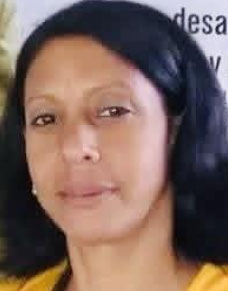
Maybel Gonzalez
is a member of the Cuban Delegation to CSW70 and Regional Coordinator of the Women’s International Democratic Federation
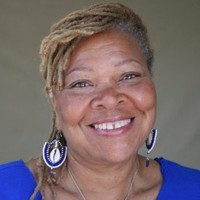
Kathryn Hall-Trujillo
is the founder of Birthing Project USA: The Underground Railroad for New Life. She is a certified scholar of the Cuban Public Health System and serves on the Medical Advisory Board of the Interreligious Foundation for Community Organizing (IFCO), the administrator of the US/Cuba Medical School Scholarship Program.
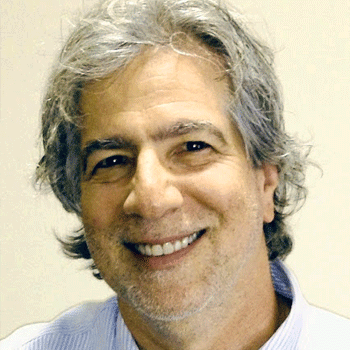
Bob Schwartz
is the Executive Director of Global Health Partners. Bob has over 35 years of experience leading public health and humanitarian initiatives in Latin America and the Caribbean, with a particular focus on Cuba due to restrictions imposed by US policies. In recent years GHP has been at the center of international campaigns sending syringes, pacemakers, and anesthesia machines to Cuba.
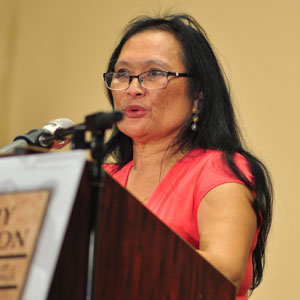
Cindy Domingo
is a lifelong Filipina-American activist and community organizer from Seattle, Washington. Cindy is known for her leadership in Asian American, Filipino American, Cuba solidarity, and labor movements, as well as her ongoing advocacy for justice and human rights. Cindy is a co-founder of U.S. Women and Cuba Collaboration.
Co-chair
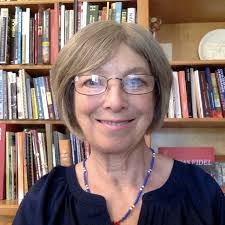
Leni Villagomez - Women's International League for Peace and Freedom's Cuba and the Bolivarian Alliance Issues Committee
Solidarity Travel 2026–NNOC May Day; Venceremos Brigade; Trade Unionists Solidarity Brigade
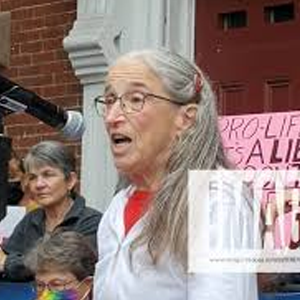
Chair: Diane Stradling

Mayra Alonso – Marazul Tours
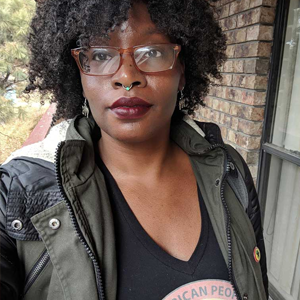
Onyesonwu Chatoyer, Co-Chair NNOC
Representative, Venceremos Brigade

Julie Wolenski, Chicago Cuba Coalition, Retired Railroad Worker and Trade Unionist
Advocacy – Promoting the McGovern and Wyden Bills, Labor Outreach, Solidarity Messages from Elected Officials
Co-Chairs:
Corinna Mullen, CUNY Faculty, Steering Committee, PSC-CUNY International Committee
Danny Valdes, DSA Cuba Solidarity Working Group

Marcy Shapiro, Minnesota Solidarity Committee on the Americas
Message from Representative James McGovern (D. MA), Author of Bill to End US Sanctions Against Cuba
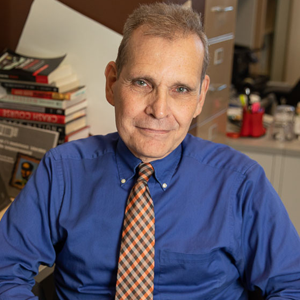
Immanuel Ness – CUNY Faculty, Chair, PSC-CUNY International Committee Steering Committee
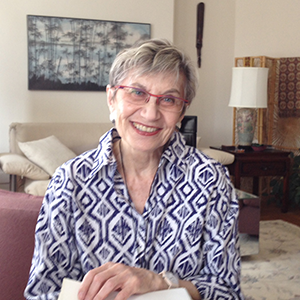
Renate Bridenthal, CUNY Faculty, PSC-CUNY International Committee Steering Committee
Jeannette Graulau, CUNY Faculty PSC-CUNY International Committee Steering Committee
Promoting the McGovern and Wyden Bills, Labor Outreach, Solidarity Messages from Elected Officials
Action Workshops—Panels
4:00 pm – 5:20 pm
Solidarity Material Aid
Co-Chair
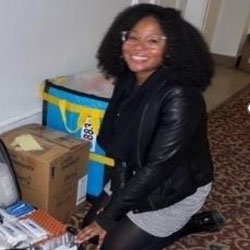
Kenia Asuncion, Take Back the Bronx, A Community-Based Grass Roots Organization
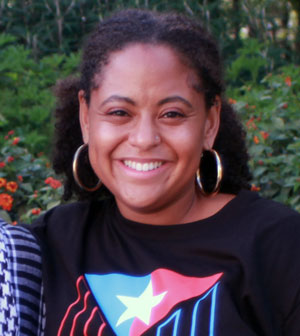
Dr. Miledys Guzman Medical Physician, Organizer, Medical Aid for Cuba NYC, Action for Cuba Committee
Bob Schwartz – Global Health Partners
Hatuey Project
Michigan Action on Cuba
US Hands Off Cuba
Cuba and US Law – Organized by the National Lawyers Guild
BLOCKADE LEGAL BASICS FOR SOLIDARITY ACTIVISTS
The workshop will offer a brief historical overview of the legal frameworks of the U.S. blockade on Cuba relevant to solidarity advocacy. Topics include travel, remissions, importation of educational/cultural materials, visas for speakers, humanitarian aid and a status report on the Helms-Burton Act cases recently argued in the United States Supreme Court. An attorney from the Union Nacional de Juristas (Cuba’s bar association) will present a perspective from the island. In addition to providing a primer for those working to build friendship between the American and Cuban peoples, attorneys interested in assisting solidarity efforts by grassroots groups are encouraged to attend. (The general information offered at the workshop is not legal advice. An attorney should be consulted about applicability of current regulations to specific projects.) Workshop organized by the National Lawyers Guild-Cuba Subcommittee.
Presenters
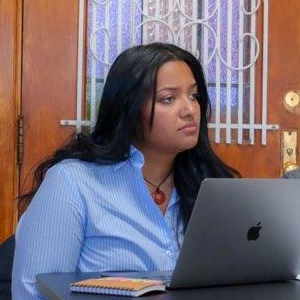
Stefi Bastiaensz, Esq. (she/her) is an immigration attorney who specializes in deportation defense. She is a member of the Cuba Si Coalition.
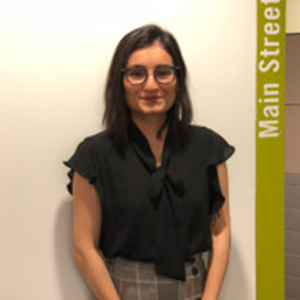
Ana-Maria Cardenas, Esq. (she/her), an attorney, is a longtime Cuba normalization advocate, and worked for the end of the U.S. embargo on Cuba as a program coordinator IFCO/Pastors for Peace. She has brought hundreds of people to Cuba from the U.S., Puerto Rico, Canada, Mexico on delegations to Cuba to help foster a People-to-people's foreign policy creating ties between the Cuban people and the world. While a student at CUNY Law, she participated in the Comparative Law Program exchange at the University of Havana Law School. She is a staff attorney at a legal nonprofit representing low-income seniors and people with disabilities who are being denied long-term care services through Medicaid. She is a Vice-President of the New York City Chapter of the National Lawyers Guild and a graduate of CUNY School of Law.

Margaret Kunstler, Esq. (she/her) is a civil rights attorney in New York who has a long involvement in solidarity work with Cuba. In 1991 she was a co-founder of the U.S. Cuba Medical Project, Inc., an early humanitarian aid organization, which in 1992 secured the first large-quantity “draw-down” humanitarian aid license issued by the U.S. Commerce Department, which also opened a new avenue for mainstream charities to send aid to Cuba.
Kunstler was a member of the defense team for 63 inmates who participated in the 1971 Attica prison rebellion who were charged in 42 felony indictments with 1289 crimes. As an attorney and the Education Director at the Center for Constitutional Rights (CCR), she helped in lawsuits challenging the Embargo on Cuba. She was a lead counsel in Veterans Peace Convoy v. Schultz, a 1988 ruling involving a U.S. humanitarian aid program in which a federal court did away with licensing requirements for humanitarian aid under the International Emergency Economic Powers Act (IEEPA), issuing a declaratory judgment barring the President and the Executive Branch from regulating or prohibiting donations of goods to a foreign country “which the donor intends to relieve human suffering and which articles can reasonably be expected to serve that end.”.
Kunstler was a founder of CCR’s Movement Support Network, representing scores of people who violated the travel ban against Cuba and wrote “Radical Re-Entry, a Guide for Political Travelers.” She assisted Leonard Weinglass on the appeal brief for the Cuban Five.
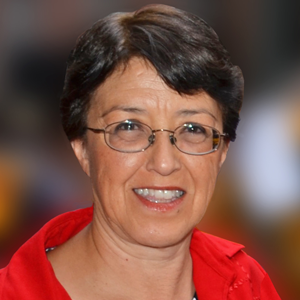
Gloria La Riva (she/her) most recently along with other activists founded the Hatuey Project (Health Activists in Truth, Unity and EmpathY). The all-volunteer organization has delivered cancer medicines and related supplies to children's hospitals in Cuba since April 2024, and 40 tons of construction materials for post-hurricane rebuilding efforts, under applicable humanitarian aid licenses.
La Riva was coordinator of the National Committee to Free the Cuban Five, formed in 2001 to support the Cuban anti-terrorism political prisoners held in the U.S. She organized on many fronts to help win the Five’s freedom, regularly visited Ramón Labañino in the USP Beaumont TX, one of the Five who was serving a life sentence. All the Five were finally home on December 17, 2014.
La Riva first visited Cuba with the Venceremos Brigade in 1985. This led to a deep devotion to Cuba solidarity work, including the organizing of several significant medical shipments to Cuba during the early years of the Special Period; a School Supplies for Cuban Children delegation of 21 youth (who also delivered 250,000 pencils for Cuban children); as well as educational and solidarity delegations to the island country. La Riva was an organizer and participant in the first, second and subsequent Pastors for Peace Friendshipment caravans. In 2010 she received the Friendship Medal, granted by Cuba's Council of State, for her years as a Cuba solidarity activist.
La Riva was a principal organizer of the mass marches against the U.S. Gulf War in 1991, and with her international-award-winning 1998 video, “Genocide by Sanctions, The Case of Iraq,” raised funds to deliver several million dollars of medicine in a mass caravan. She is a journalist who has produced a number of articles and documentaries, including the 1996 film “Workers Democracy in Cuba.”
Moderator
Franklin Siegel, Esq. (he/his) of the NLG Cuba Subcommittee is a New York civil rights attorney active in solidarity legal support since the mid-1970’s. He organized the visit of the first Cubans (a Supreme Court justice and two officials of the Federation of Cuban Women) granted visas to speak outside New York since the Revolution, for the NLG’s Seattle Convention in 1977, which was followed by a west coast speaking tour. He has represented a number of U.S.-based Cuba solidarity organizations, including the Veneremos Brigade for more than a decade. In 1992 he secured the first large-quantity “draw-down” humanitarian aid license issued by the U.S. Commerce Department for a U.S.-Cuba solidarity medical charity, opening a new avenue for mainstream charities. Franklin was a participant in coalitions which organized a number of July 26th celebrations in New York, including concerts in 1983 by Orquesta Aragon at the Beacon Theater and at the Village Gate. He recently retired from CUNY School of Law, where he was a faculty member for 29 years.
Greetings From:
Jose Alexis Ginarte Gato – President, National Union of Cuban Jurists (UNJC)
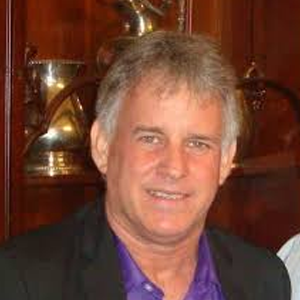
Yamila Gonzalez Ferrer – Vice President UNJC
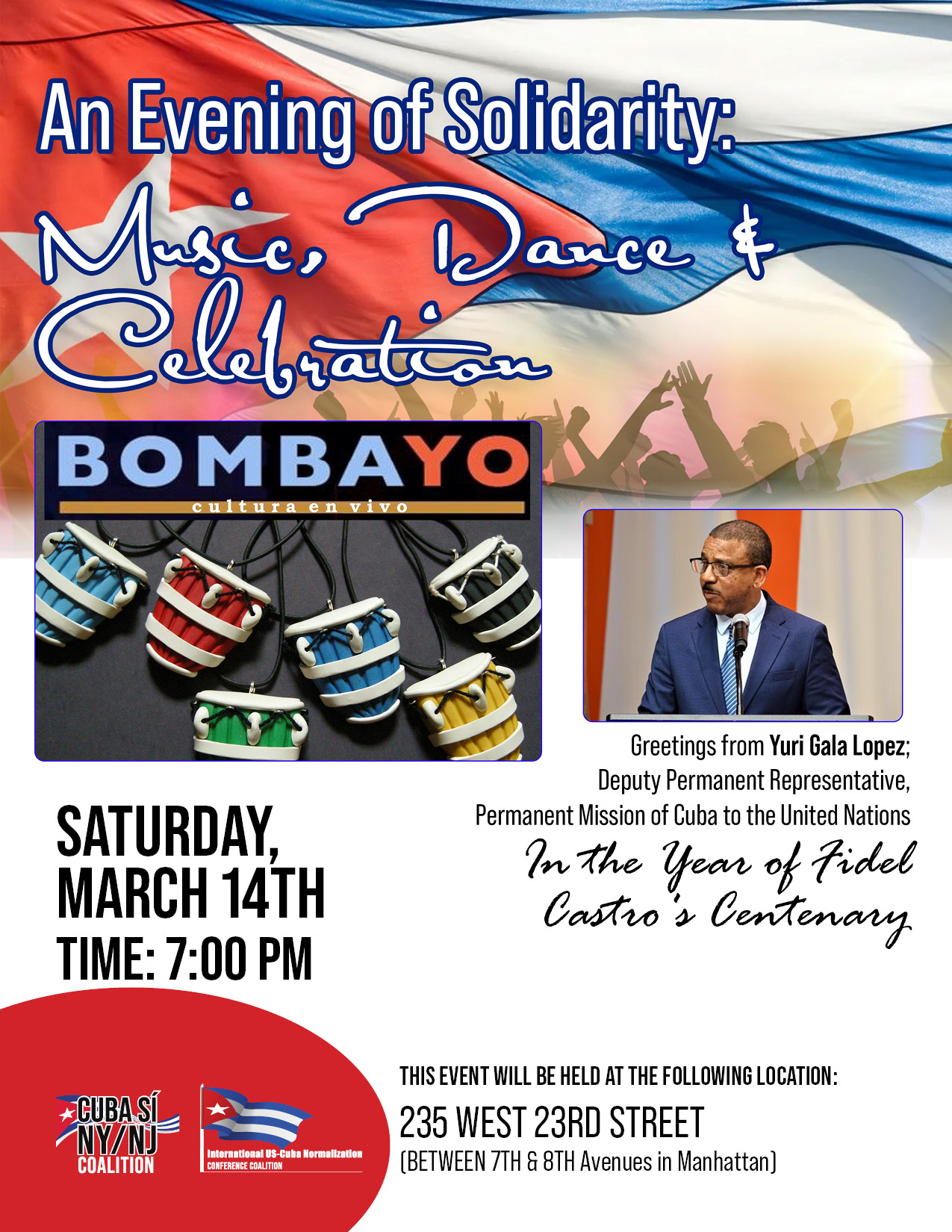
SATURDAY EVENING CELEBRATION
UNWIND AFTER THE ACTION CONFERENCE